You Are My Sunshine

You are my Sunshine. You know the chorus. Warm, simple, happy. Almost childlike. Yet, most people have never read past the first line. The verses tell a different story: someone waking from a dream, terrified their sunshine is about to be taken away. That gap between the cheerful surface and the fear underneath is this whole dispatch.
Dear Friend,
We love the sun. We also hide from it, cover ourselves to shun it, and spend most of our waking hours somewhere it cannot reach us. This confusion is not trivial. It turns out sun exposure, done right, is one of the best firefighting techniques we have against inflammation. And we have talked ourselves out of it.
The New Sun
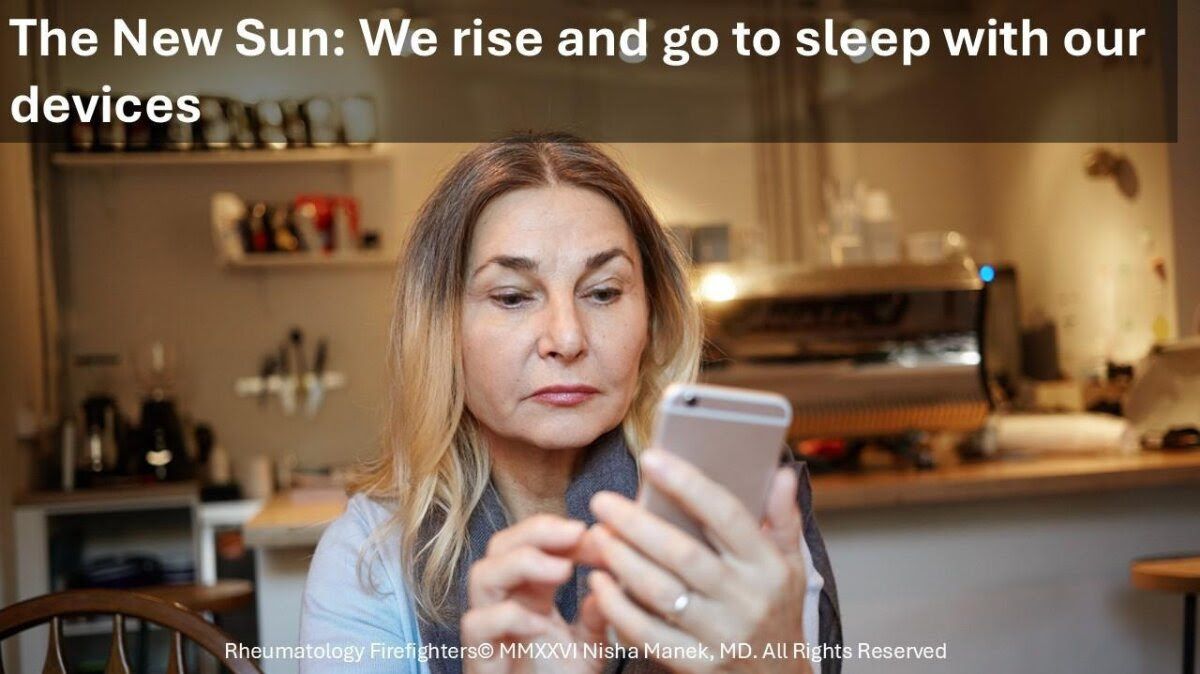
A majority of Americans spend less than one hour outside each day. We rise with a phone in hand and fall asleep by the same blue light. This is the new sun, and it is a poor substitute. Turn on the evening news and watch a studio backdrop swing from daylight to pitch black in the time it takes one program to hand off to the next, even though the sun outside has not actually set yet. We have gotten so used to manufactured light and manufactured dark that we no longer notice when the media lie to us. We hardly pay attention anymore. We’ve normalized it.
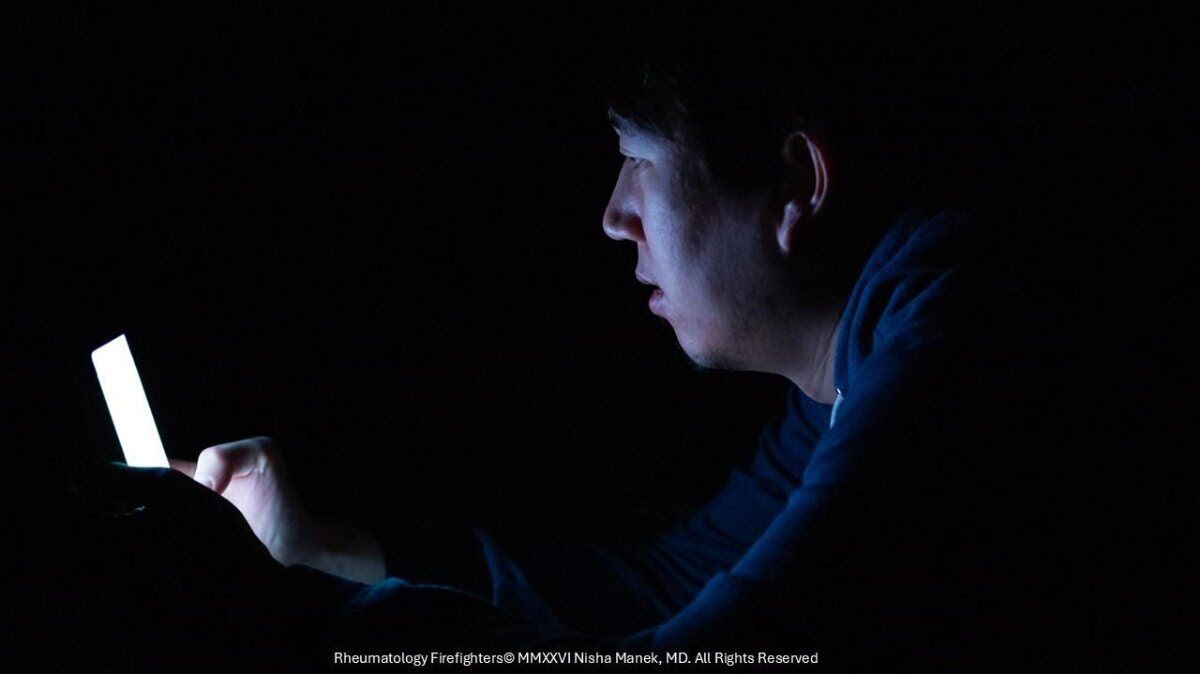
The mechanism here is well established, not theory. Blue light in the 460 to 480 nanometer range is the strongest trigger for a set of light-sensing cells in the retina that report straight to your brain's master clock. In the evening, that signal tells your body to hold off on releasing melatonin, the hormone that should be rising to prepare you for sleep. Studies using device screens and household LEDs have repeatedly shown this delay in melatonin release. What is less clear is whether blue-light-blocking glasses fully fix it: trials are mixed, some show real improvement in sleep quality, others show none. Still, for evening screen time, a pair of blue-blocking glasses is a low-cost, low-risk tool, and warm-toned lighting after dark is a reasonable habit even before the research fully catches up. Better yet, turn off your device a few hours before bed. Give yourself a curfew. Your body will thank you for it.
Why the Sun Is a Firefighting Tool
Here is the mechanism. Sunlight, especially in the first hour after you wake, sets your circadian rhythm, the internal clock that governs when you sleep, when you wake, and how well your body repairs and rejuvenates itself overnight. A body with a well-set clock sleeps deeper and better. A body that sleeps well runs a quieter inflammatory system. A body lit only by screens and indoor bulbs never gets the signal that tells it which way is morning.
This is why sun exposure belongs in this series at all. It is not a lifestyle indulgence. It is one of the most direct levers we have on the same inflammatory fire every other issue in this series has been trying to put out.
A Star Is Scorned
A new book made this case better than I could. Rowan Jacobsen's “In Defense of Sunlight” argues that decades of dire headlines about sun exposure have buried its real, well-documented benefits. I have not stopped thinking about it since. Let’s look at some science.
5.5M skin cancer cases a year in the U.S.
Melanoma, the serious form, kills about 8,500 Americans a year. Car accidents kill 35,000 to 45,000 annually, and nobody scrutinizes our driving the way we scrutinize a mole. The biggest melanoma risk factors are genetic: red hair, pale skin, freckles.
But we rarely hear of what lack of sunlight does to the human body!
40 vs. ~3,000 deaths, one British dataset, 15 years
None of this makes sunburn safe, and we shouldn’t pretend otherwise. A good rule is not to come anywhere close to burning. The real danger window is childhood: a Harvard study following the Nurses' Health Study group found that five or more sunburns before age 20 roughly doubles melanoma risk. Burns after age of 30, in that same data and in a comparable French study, showed no meaningful added risk. The bottom-line: protect children from sunburn and stop treating every adult afternoon outside as dangerous.
The Vitamin D Detour
Many of us have tried to solve our sunlight deficit with a Vitamin D pill instead of a walk outside. It does not work the way we hoped. A capsule cannot set your circadian clock. Only light through your eyes can do that.
Vitamin D was never the whole story. Sunshine is doing more: melatonin regulation, mood, sleep rhythm. Plants, oddly enough, teach the same lesson from the other direction. Biophysicist Axel Kleidon has calculated that plants convert only a fraction of one percent of the sunlight they absorb into usable chemical energy. The bottleneck is not the light. It is the constant exchange of water vapor out and carbon dioxide in through millions of tiny pores. The sun does not simply hand a plant a packet of energy. It drives a whole system of photosynthesis, and the exchange is what actually matters.
Human bodies are not so different. Sunlight does not exist to manufacture one molecule any more than it exists to hand a leaf a packet of energy. It sets a clock and moves a rhythm that touches far more of the body than any capsule can reach. Reducing sunlight to “the vitamin D thing” is the same mistake as reducing photosynthesis to “the energy thing.” Both miss the exchange that is actually doing the work.
The Sunscreen Question
Dermatologists and the Skin Cancer Foundation recommend daily sunscreen, reapplied every two hours. Brian Diffey, the physician who designed the United Kingdom's sunscreen rating system, disagrees with the reapplication culture that grew up around his own invention. “It's a bad habit.” he has said. “You shouldn't do it.” Sunscreen chemistry carries its own open questions, and at least one study suggests it can blunt the vitamin D production sunlight is supposed to trigger. Worth noting, too: some of the loudest alarm campaigns have come from companies that sell the solution. A 2007 American Cancer Society ad campaign about skin cancer mortality was funded by Neutrogena, a sunscreen maker.
The Firefighter's Read
A firefighter does not avoid every flame. She learns to use fire she can control. That is the right posture toward the sun: not fear, not recklessness, but respect. Moderate, well-timed exposure is one of the cheapest anti-inflammatory tools available to almost everyone reading this. Sunburn, especially in childhood, is still the real enemy.
Practical Steps
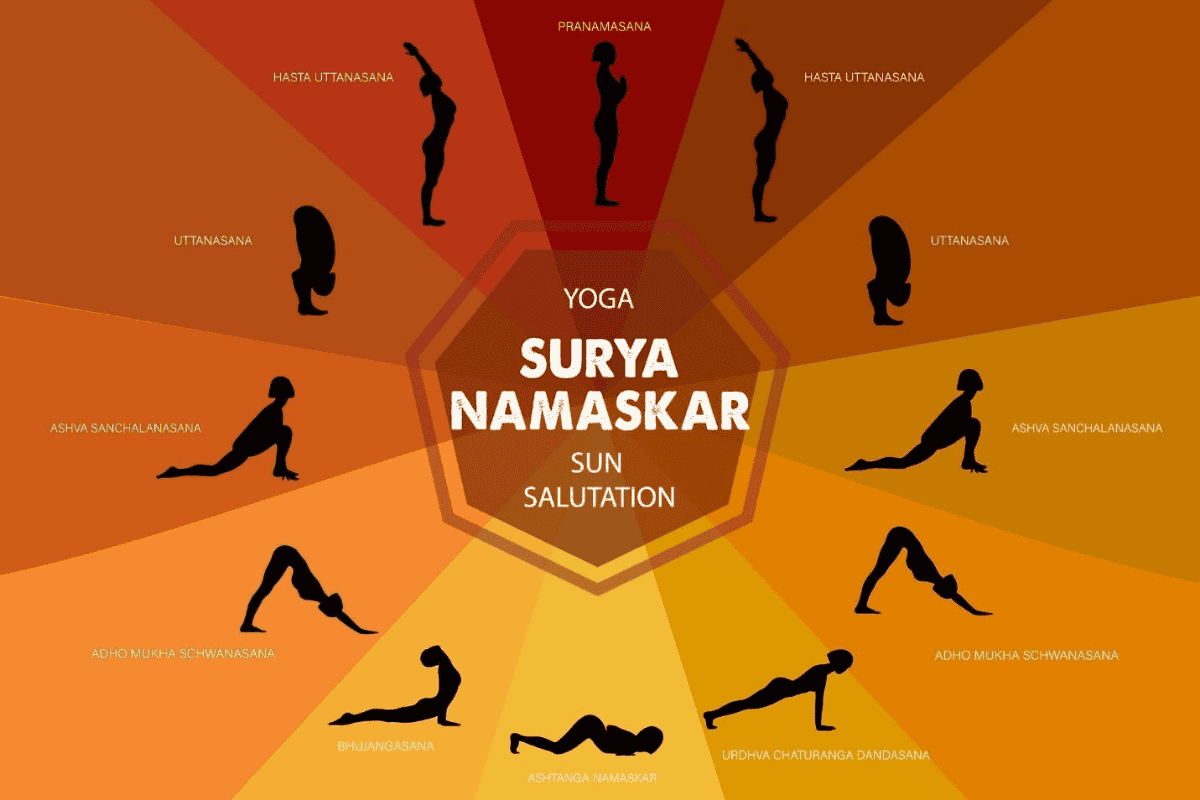
Get outside in the first hour of daylight. This is when sunlight does the most to anchor your circadian rhythm, and the UV load is low. Between 10am and 3pm, when the sun is strongest, cover up rather than avoid the outdoors entirely: a hat, light sleeves, shade when you can find it. Farm workers in hot climates have understood this for generations. They wear hats. They are rarely shirtless at noon. Fifteen to twenty minutes of direct, unscreened morning sun is enough for most people to get a real benefit, followed by sensible covering up for the rest of the day. If a slower, more deliberate practice appeals to you, consider greeting the morning sun the way it has been greeted for thousands of years: through Surya Namaskar, the sun salutation.
A MOMENT OF REFLECTION
Where Is Your Sunshine Going?
You already own a screen that gives you blue light on demand, at any hour. When did you last get the same dose from the actual battery in the sky?
The song promises to never let you know how much you are loved, right before begging you not to leave. What promise are you making to your own body about the sun, and are you keeping it?
Until next time, remember: the same light that is easiest to fear is the one your body has trusted longest. Do not let the noise take your sunshine away.
Or, if you want the whole dispatch in one breath: get some sun, not too much, in the morning.
COMING IN ISSUE 11
The label says extra virgin. The bottle says Italy. Neither may be true. Something has been added to your olive oil, and we are going to find out what.